News
GERMANY AND UZBEKISTAN: AN IMPORTANT STEP TOWARDS SCIENTIFIC DIALOGUE, EXPERIENCE-SHARING AND COOPERATION IN EDUCATION
The official visit to the Federal Republic of Germany by a delegation led by Academician Kholboy Ibraimov, Director of the Qori Niyoziy National Institute of Educational Pedagogy and Doctor of Pedagogical Sciences, provided an important platform for academic and professional dialogue aimed at strengthening international cooperation in education, exploring advanced international practices and introducing contemporary pedagogical approaches into the national education system.
The main
objectives of the visit were to study advanced practices within the German
education system, become acquainted with mechanisms for teacher education and
continuous professional development, and exchange expertise in inclusive
education, digital pedagogy, artificial intelligence technologies and
contemporary approaches to upbringing and character education.
The academic and professional meetings
held at Dresden University of Technology (Technische Universität Dresden)
constituted one of the key components of the delegation's programme.
Particular
attention was paid to Germany's experience in organising inclusive education
and using digital platforms to adapt learning materials to children's
individual needs and abilities. Meetings focusing on digital pedagogy and
projects designed to support teachers' professional development highlighted new
opportunities for the technological advancement of educational processes.
During a visit to a general education
school in Dresden, the delegation explored a learning environment designed to
ensure equal opportunities for all pupils, encourage independent and critical
thinking, and foster the individual abilities of every child. Classroom
observations once again demonstrated that respect for each learner, creative
teaching approaches and teachers' professional competence are integral elements
of high-quality contemporary education. The participants also exchanged views
on the use of artificial intelligence tools in pedagogical practice.
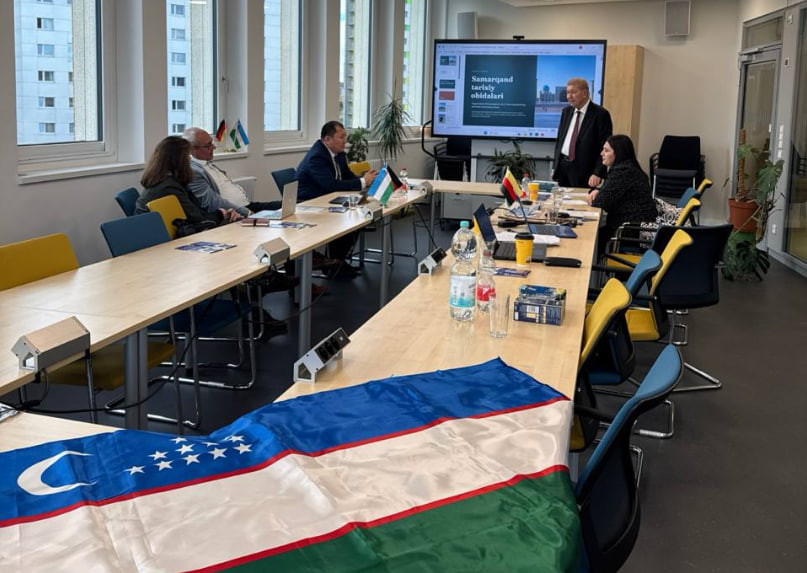
As
part of the visit, a meeting was held at the Embassy of Uzbekistan in Berlin
with Sherzodbek Khasanov, the Embassy representative responsible for education,
science and healthcare. The discussions focused on expanding bilateral
cooperation in education and upbringing, as well as implementing promising
joint initiatives in inclusive education and digital pedagogy.
The
delegation also visited the Dresden State and University Library, where its
members explored its extensive academic and educational collections, historical
manuscripts and modern information resources. They also examined established
practices for promoting academic research and a culture of reading.
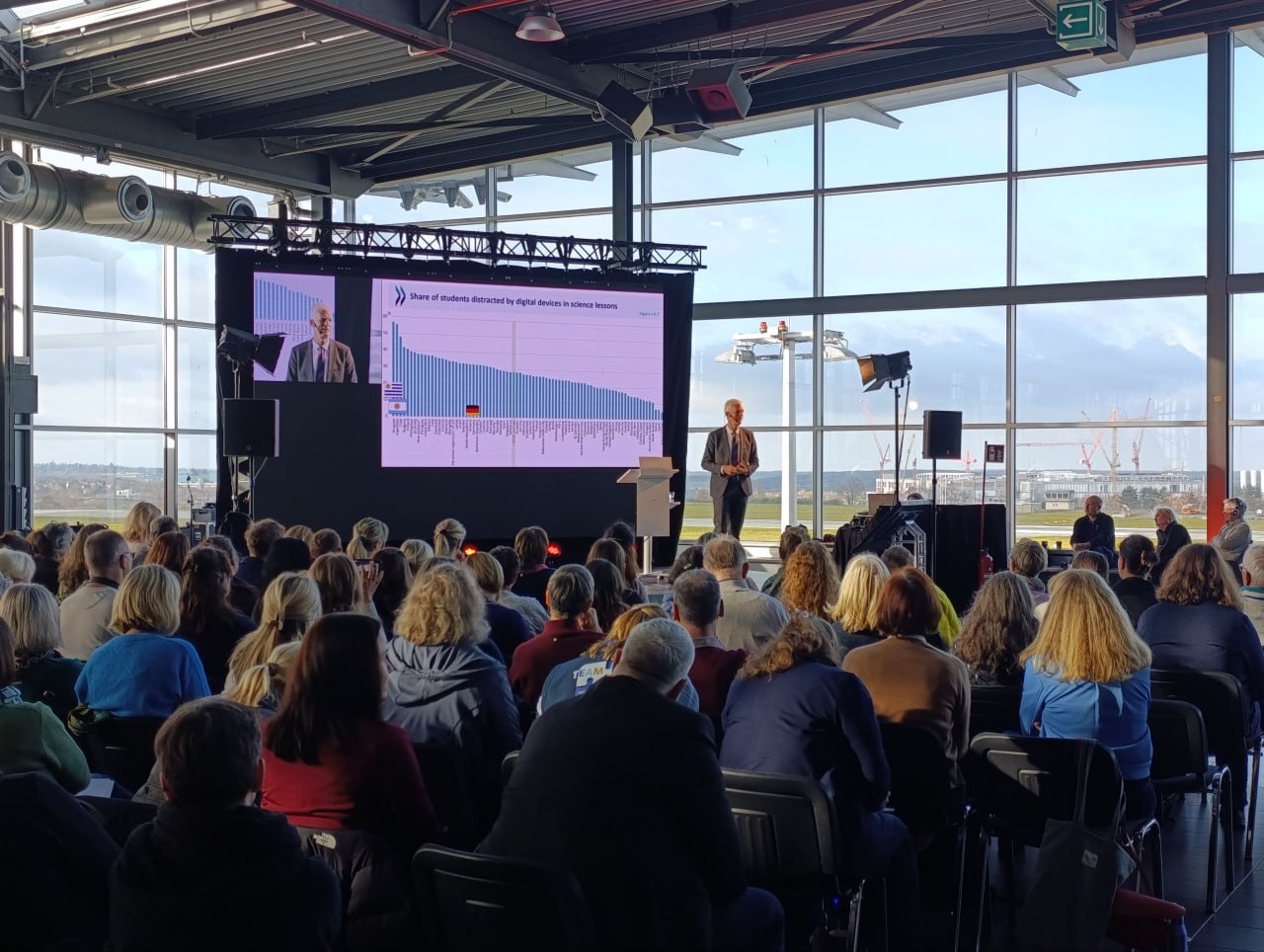
One
of the major academic highlights of the visit was participation in the
international education congress entitled “Education for an Uncertain
Future” (Bildung für die ungewisse Zukunft), held in Dresden. The distinguished
speakers included Andreas Schleicher, OECD Director for Education and Skills;
Professor John Hattie, renowned for his research on Visible Learning; and
Professor Thomas Köhler. Their presentations were followed by substantive
academic discussions on contemporary education strategies, artificial
intelligence, digital transformation, the role of teachers in a rapidly
changing society, and the development of competencies essential for future
generations.
By
the end of the visit, the delegation had gained valuable insights and practical
experience relating to advanced practices in the German education system,
emerging academic perspectives, contemporary pedagogical technologies and
promising areas for international cooperation. Upon completion of the professional
development programme, the university awarded the participants the relevant
certificates.
Latest news