Admission – 2027     |    01/09/2026
Download the documents required for admission
Postgraduate education
ADMISSION – 2027
The Qori Niyoziy National Institute of Educational Pedagogy announces admission to research internship, basic doctoral studies and doctoral studies in the following specialties
SPECIALTIES:
Organization Specialty code and name Doctoral studies Basic
doctoral studies
Research
intern
Qori Niyoziy National Institute of Educational Pedagogy 13.00.01 – Theory of pedagogy. History of pedagogical teachings 131
13.00.02 – Theory and methods of teaching and upbringing 131
13.00.09 – Social pedagogy 131
Total:393
LIST OF REQUIRED DOCUMENTS:
  • Application;
  • Brief biographical information (3x5 format, in Uzbek and Russian);
  • Certified copy of the employment record book (for those employed);
  • Copy of the master’s or specialist degree diploma;
  • Published scientific works (at least 1 article and 2 conference abstracts);
  • Passport copy;
  • Recognized foreign language certificate (CEFR, IELTS or equivalent);
  • President’s State Scholarship certificate (if available).
🔵 Additional requirements for doctoral studies (DSc):
  • Copy of the PhD diploma or an equivalent academic degree;
  • Detailed draft plan of the doctoral dissertation;
  • List of published scientific works (at least 3 articles and 2 conference abstracts).
🔵 Document submission procedure:
All documents are submitted in PDF format through the website daraja.ilmyi.uz.

Our

Academician Xolboy Ibragimov met with university students

The academician told the participants of the event about his scientific and practical activities, his hard life path and work to reach the academic level. He also spoke about the attention paid to young people today and the opportunities created in the field of science, calling on students and young people to make the most of these opportunities.

Our doctoral students

Guides

Podcasts

Partners

News

News from our institute

13.00.02 – Theory and Methodology of Education and Upbringing

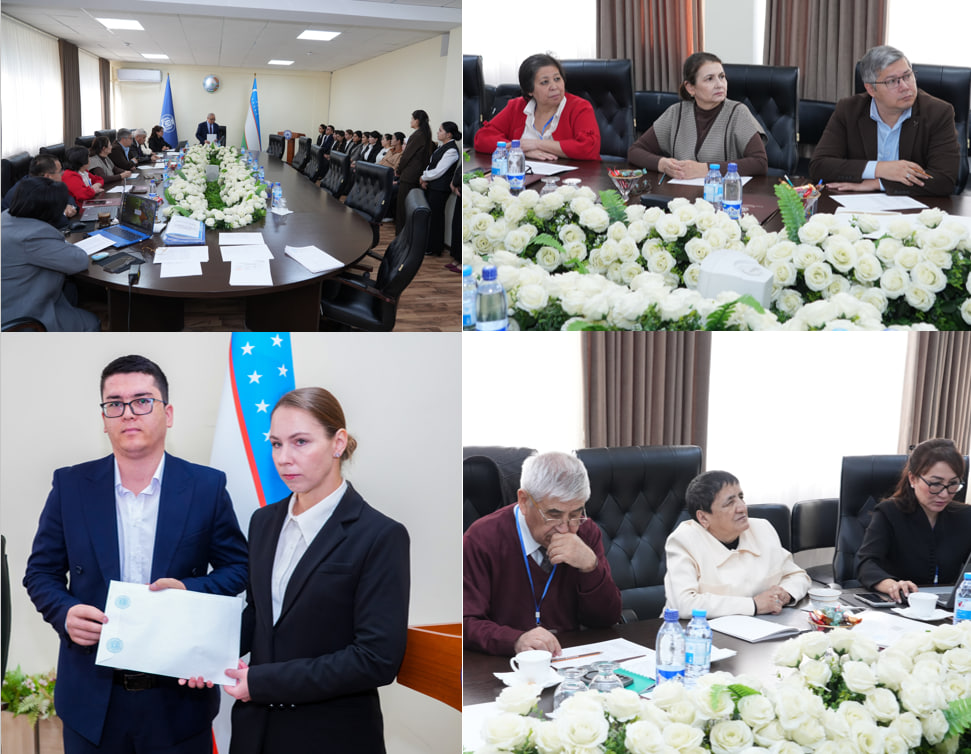
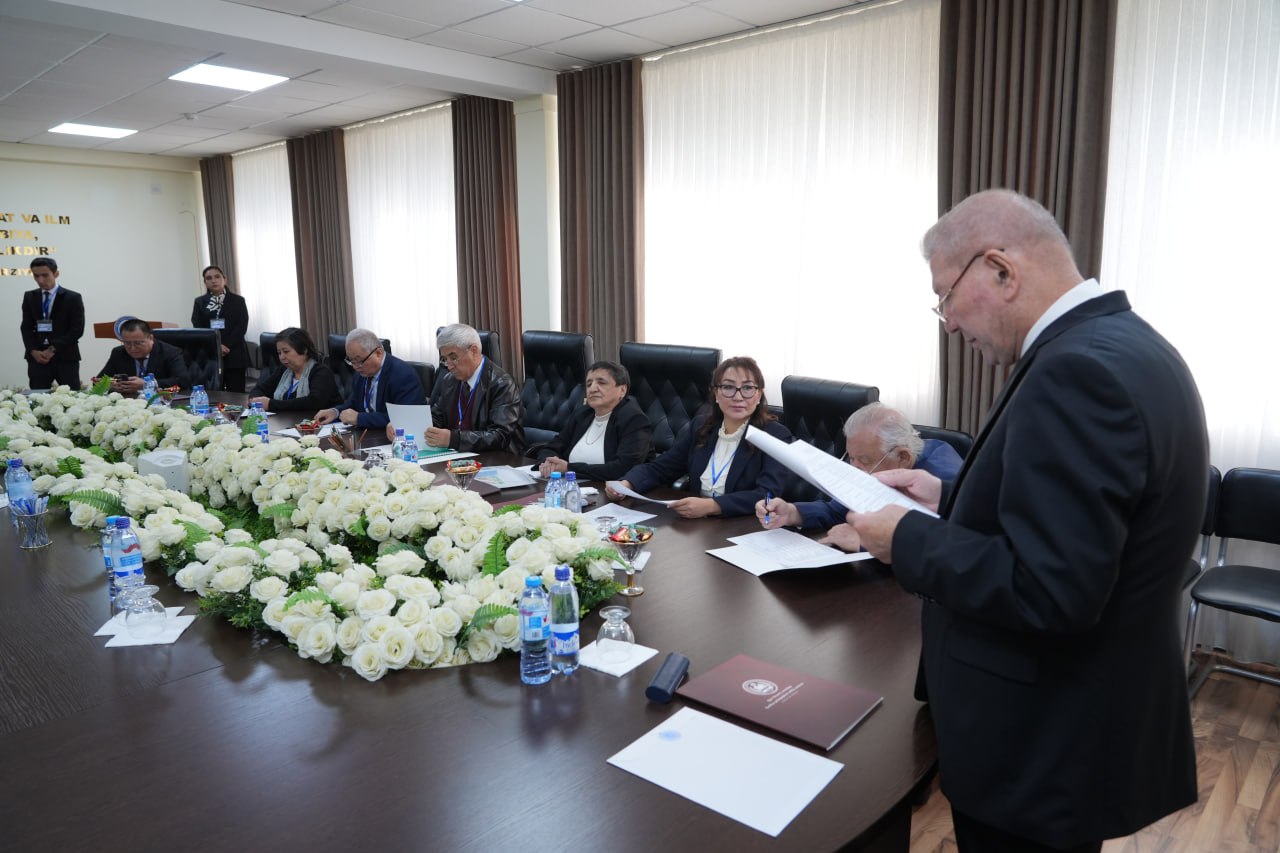
On November 5, 2026, entrance examinations in the specialty 13.00.02 – Theory and Methodology of Education and Upbringing are being held at the Qori Niyoziy National Institute of Pedagogy of Upbringing for applicants seeking admission in 2027 to doctoral studies (DSc), basic doctoral studies (PhD)

100
/
Institute

More details

13.00.01 – Theory of Pedagogy and History of Pedagogical Thought.

Today, the National Institute of Educational Pedagogy named after Qori Niyoziy is holding entrance examinations for the 2027 academic year in the specialty 13.00.01 – Theory of Pedagogy and History of Pedagogical Thought. The examinations are intended for applicants to doctoral programmes, basic doctoral programmes, research internships, and independent research programmes.

92
/
Institute

More details

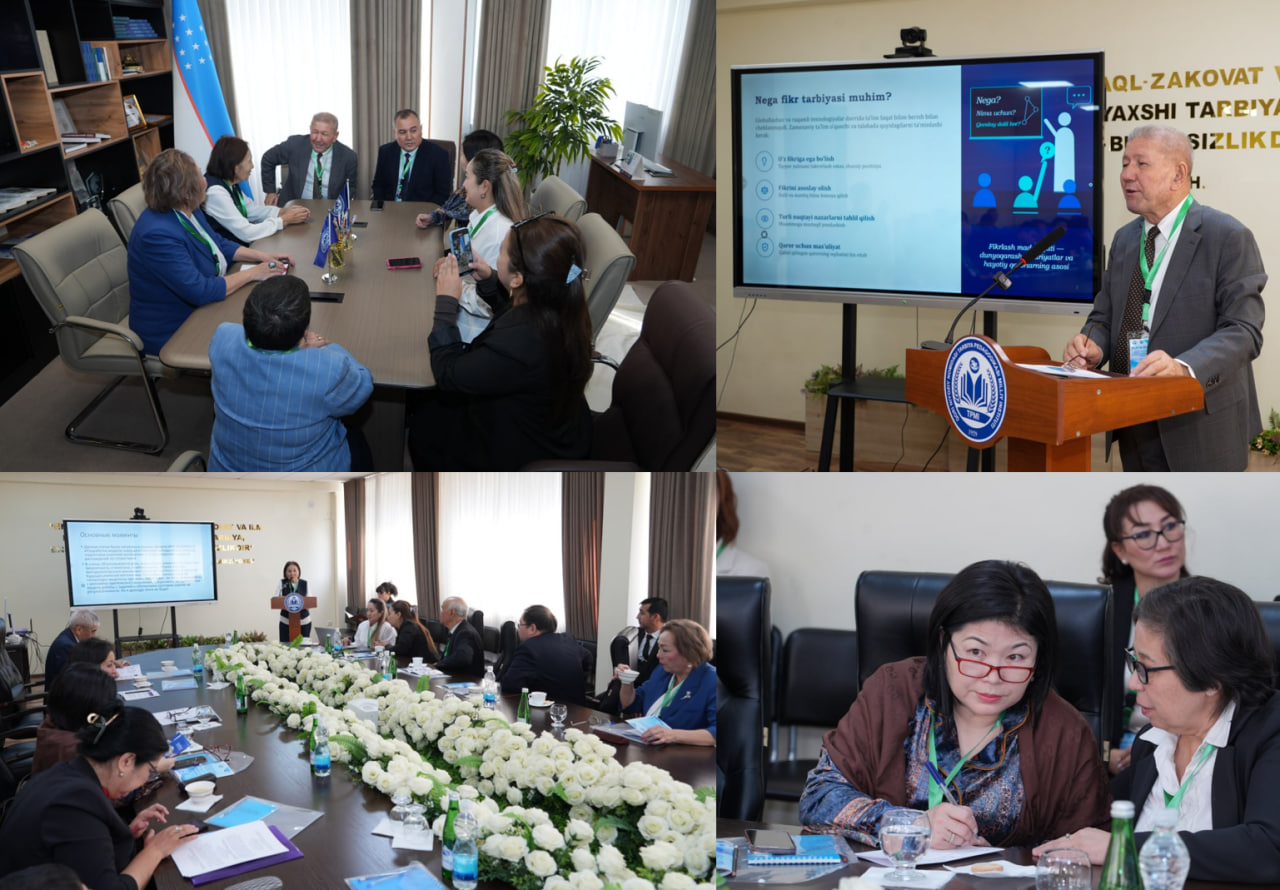
'Historical and Innovative Approaches to the Education of Thought, Mechanisms for Using Effective Strategies in Pedagogical Practice'

On October 29, 2026, the national scientific-practical conference on at the Nizamiy Qori National Institute of Pedagogical Education.

131
/
Institute

More details
All news

Departments

Departments of our institute

Research Department “National Upbringing, Pedagogical Teachings of Thinkers and Jadids”

The objective of the Research Department “National Upbringing, Pedagogical Teachings of Thinkers and Jadids” of the National Institute of Pedagogy of Upbringing named after Qori Niyoziy is to conduct comprehensive research into the centuries-old teachings on upbringing developed by thinkers and Jadid enlighteners, as well as the thousand-year practical educational and upbringing experience of the Uzbek people, and to develop strategies and approaches for integrating this rich heritage into school education practices.

The main priority objectives of the Department are as follows:

– to identify, from theoretical and methodological perspectives, the essence and content of upbringing-related teachings developed by folk pedagogy, Eastern thinkers and Jadid enlighteners, as well as their influence on personal development;

– to provide a theoretical substantiation of the impact of pedagogical heritage on the spiritual, cultural, intellectual and physical development of school-age children and young people, and to promote this heritage;

– to study and analyse the pedagogical teachings developed by thinkers during the First and Second Renaissance periods and to provide a pedagogical substantiation of their potential for fostering a positive worldview among children under education and school students;

– to develop strategies and approaches for introducing the modernized views of Jadid enlighteners on upbringing, together with the pedagogical methods they employed, into preschool and school education;

– to develop the following academic and educational-methodological publications: the monographs “Methods of Upbringing Applied during the First and Second Renaissance Periods” and “Pedagogical Teachings of Eastern Thinkers”; the textbook “Folk Pedagogy”; methodological manuals “Methods for Developing a Positive Worldview among Adolescent Students” and “The Views of Jadid Enlighteners on Personal Upbringing and Strategies for Their Application”; the “Encyclopedia of Upbringing”; and the methodological manual “Mechanisms for Optimizing Upbringing Processes”;

– to train highly qualified academic and pedagogical personnel in the fields of “Theory and History of Pedagogy,” “Theory and Methodology of Education and Upbringing,” and “Social Pedagogy”;

– to organize international and national conferences, symposia, forums, seminars, round-table discussions and training sessions aimed at promoting historical experience in the field of upbringing;

– to promote the centuries-old historical experience of the Uzbek people and the pedagogical heritage of thinkers and Jadids through publications in international and national academic journals, as well as through research articles indexed in the international Scopus and Web of Science databases;

– to expand cooperation with institutions across the continuing education system;

– to establish partnerships with higher education institutions and research organizations in developed countries, jointly train highly qualified academic and pedagogical personnel, and organize joint conferences and symposia.

RESEARCH DEPARTMENT OF TECHNOLOGIES FOR ORGANIZING AND MANAGING NATIONAL UPBRINGING PROCESSES

Main Objective of the Department. The department develops and implements strategies for modernizing the organization and management of educational and upbringing processes in general secondary schools, introducing modern management technologies, and providing scientific and pedagogical support for these processes.

Based on the priority research areas of the National Institute of Pedagogy of Upbringing named after Qori Niyoziy and the objectives outlined in Resolution No. PQ-232 of the President of the Republic of Uzbekistan dated June 21, 2024, the department aims to improve the scientific, theoretical, and methodological foundations for the effective organization, management, and coordination of national upbringing processes in preschool and general secondary education institutions, as well as to develop modern pedagogical management technologies and implement them in educational practice.

Main Research Areas of the Department:

1. Developing modern scientific and pedagogical foundations for organizing and managing national upbringing processes in general secondary schools.

2. Improving mechanisms for planning, coordinating, monitoring, and evaluating the effectiveness of upbringing activities in educational institutions.

3. Developing innovative pedagogical technologies for managing upbringing processes based on national and universal human values.

4. Developing methodological recommendations aimed at enhancing the management competencies of school principals, deputy principals, class teachers, and teaching staff in the field of upbringing activities.

5. Adapting internationally recognized Social and Emotional Learning (SEL) methodologies to the content of national upbringing and implementing them in the practice of educational institutions.

6. Developing effective mechanisms for managing cooperation among educational institutions, parents, and mahallas in the implementation of upbringing processes.

7. Developing diagnostic criteria, indicators, and monitoring technologies to assess the effectiveness and outcomes of upbringing activities.

8. Studying advanced international practices in the management of upbringing processes, adapting them to the national education and upbringing system, and implementing them in practice.

Department of Inclusive Education and Upbringing Methodology

The Department of Inclusive Education and Upbringing Methodology at the Qori Niyoziy National Institute of Pedagogy of Upbringing conducts research aimed at improving the scientific and methodological foundations of educating and supporting children with special educational needs. Its activities focus on promoting social and emotional development, creating inclusive educational environments, and adapting effective international pedagogical practices to Uzbekistan’s national education system.

The department’s main objective is to develop, pilot, and implement research-based pedagogical methodologies that promote social adaptation, moral and character development, and social-emotional competencies among children with special educational needs.

 Key areas of activity:

1. Improving the scientific and methodological foundations of inclusive education and upbringing. Investigating pedagogical approaches that consider the individual characteristics, educational needs, and social development opportunities of children with special educational needs; developing research-based methodological recommendations for organising educational and character development activities.
2. Development of social-emotional learning methodologies. Researching and implementing methods that promote five core competencies: self-awareness, self-management, social awareness, relationship skills, and responsible decision-making among learners in general secondary education.

3. Strengthening parents’ pedagogical literacy in inclusive upbringing. Developing research-based recommendations, digital educational content, and podcasts to support family-based upbringing, children’s social adaptation, and parental educational competencies; disseminating these resources through the milliy.tarbiya.uz platform.

4. Piloting social-emotional learning methodologies. Organising trainer groups involving institute researchers, international experts, and teachers in selected general secondary schools; conducting professional development seminars and evaluating the pedagogical effectiveness of the implemented methodologies.
5. Integrating inclusive and social-emotional learning into educational programmes. Examining the opportunities for gradually incorporating social-emotional learning methodologies into general secondary education curricula and teacher training and retraining programmes; developing research-informed methodological proposals.
 6. Research and adaptation of international inclusive education practices. Conducting comparative analyses of international approaches to inclusive upbringing and social-emotional learning, adapting effective methodologies to national values and local educational contexts, and promoting joint research and academic partnerships with international universities and research centres.
7. Research-based methodological support and monitoring. Monitoring the implementation of inclusive education and social-emotional learning methodologies, identifying pedagogical challenges, organising teacher training seminars, developing methodological guides and practical recommendations, and analysing implementation outcomes.

8. Development of research and academic publication activities. Preparing academic articles, monographs, educational and methodological guides on inclusive education and upbringing; organising national and international scientific conferences; providing research and methodological support to doctoral candidates and independent researchers.

 The department’s principal outputs include research-based recommendations on inclusive upbringing and social-emotional learning, adapted pedagogical methodologies, digital educational content and podcasts for parents, teacher training programmes, academic publications, comparative analytical materials, and proposals for improving educational curricula. The effectiveness of the developed methodologies is evaluated through pilot studies, pedagogical research, and systematic monitoring.

SCIENTIFIC IDEA, OBJECTIVES AND PRIORITY AREAS OF THE RESEARCH DEPARTMENT “DIGITAL PEDAGOGICAL SUPPO

“Digital Pedagogical Support for National Upbringing” is an integrated pedagogical system based on the integration of interrelated target, content-related, technological, organizational-methodological and diagnostic components. It is aimed at presenting the content of national and universal human values in the digital environment in accordance with pedagogical objectives, facilitating their internalization, developing individuals’ value orientations, and ensuring that these values are reflected in their behaviour.

1. Head of the Research Department “Digital Pedagogical Support for National Upbringing”  Abdulxalim Xamidovich Maxmudov, Doctor of Pedagogical Sciences, Professor.

2. Priority Areas of A.X. Maxmudov’s Research Activities:

Pedagogical Engineering – scientific and pedagogical mechanisms for designing, modelling, technologically organizing and evaluating the effectiveness of educational processes.

Digital Pedagogy – the development of educational content, teaching methods and learners’ competencies through digital technologies, artificial intelligence and intelligent platforms.

Educational Management – strategic management of educational institutions, supporting the professional development of educational leaders, and improving innovative management models and pedagogical mechanisms.

Chess Didactics – didactic foundations, methods and technologies for developing logical, systematic, strategic and critical thinking through chess.

Upbringing in the Digital Environment – pedagogical foundations for fostering national and universal human values in the digital space, developing digital culture, ensuring information security, and promoting spiritual, moral and ethical upbringing.

INFORMATION ON THE ACTIVITIES OF THE RESEARCH DEPARTMENT FOR “MAHALLA-FAMILY-SCHOOL COOPERATION”

The Research Department for “Mahalla-Family-School Cooperation” of the National Institute of Pedagogy of Education named after Qori Niyoziy conducts research activities aimed at studying national upbringing processes within the lifelong education system, improving the effectiveness of educational and upbringing activities, and enhancing cooperation between mahallas, families and educational institutions.

The main objective of the Department is to ensure that the mahalla, family and school function as a unified educational and upbringing environment; to develop the scientific, theoretical, methodological and practical foundations for educating the younger generation in the spirit of national and universal human values; and to improve effective mechanisms that ensure the continuity and consistency of the upbringing process.

The Department pays particular attention to studying national upbringing traditions, customs, spiritual heritage and opportunities for social cooperation established within mahallas, as well as identifying their role and significance in contemporary upbringing practices. Within this area, research is conducted to identify and systematise the educational and upbringing resources of mahallas, integrate them with modern pedagogical approaches, and develop scientifically grounded recommendations and proposals for their application in educational and upbringing practices.

Another important area of the Department's research activities is the development of parents' pedagogical competence in raising children, increasing their responsibility for upbringing, fostering a healthy spiritual and moral environment within families, and strengthening cooperation between parents and educational institutions. This includes identifying the socio-pedagogical factors affecting the effectiveness of family upbringing, improving contemporary forms and methods of working with parents, and developing scientific and methodological recommendations aimed at enhancing the educational and upbringing potential of families.

The Department conducts research aimed at an in-depth study of the scientific and theoretical foundations of “Mahalla-Family-School” cooperation, identifying the organisational and pedagogical conditions necessary for coordinating the activities of these stakeholders, and developing effective cooperation mechanisms. Particular importance is attached to coordinating the roles and responsibilities of mahalla activists, parents, teachers and other stakeholders, as well as promoting information exchange and developing effective forms of mutual cooperation.

To improve the quality and effectiveness of national upbringing within the lifelong education system, the Department organises scientific analyses of the content, methods and organisational mechanisms of upbringing activities implemented in educational institutions. It also identifies existing challenges and develops research-based practical proposals for addressing them. Particular attention is given to improving criteria for assessing the outcomes of the upbringing process, studying pedagogical practices and consolidating successful experiences.

Another priority area of the Department's activities is the study of international experience and the improvement of the national upbringing system through the application of advanced pedagogical approaches. In particular, comparative analyses are conducted of international models of family–school–mahalla cooperation, effective methods of working with parents, mechanisms for assessing upbringing activities, and approaches promoted by international programmes. Based on these analyses, scientific and methodological recommendations adapted to the specific characteristics of the national education system are developed.

To facilitate the practical implementation of research findings, the Department prepares scientific articles, monographs, methodological manuals, recommendations, educational and methodological materials, programmes and other research-based practical outputs. Furthermore, through the organisation of scientific seminars, round-table discussions, conferences and practical meetings, the Department focuses on disseminating research findings among the academic community, teachers, parents and representatives of mahallas.

An important aspect of the Department's activities is enhancing the practical significance of research findings, identifying opportunities for applying the developed recommendations and methodological materials in educational and upbringing processes, analysing their effectiveness, and developing mechanisms for their further improvement based on identified needs. This approach helps ensure a close and continuous connection between scientific research and practical activities.

The strategic mission of the Department is to make a scientific and practical contribution to the development of a comprehensive upbringing environment within the lifelong education system by designing scientifically grounded approaches, methodological support systems and cooperation mechanisms aimed at improving the effectiveness of national upbringing.

The Department of International Pedagogical Experiences

The department conducts comparative studies of international educational practices and develops research-based approaches to adapting them to Uzbekistan’s national values, cultural context, and educational needs.

   The department’s main objective is to improve the content, methods, and technologies of character education through international research and the local piloting and evaluation of effective pedagogical practices.

Key areas of activity:

1.     Comparative research on character education systems. Examining international approaches to moral, civic, patriotic, and social education; identifying the conditions that support their effectiveness; and assessing their applicability in Uzbekistan.

2.     Research on learners’ social and emotional development. Developing and adapting methods that strengthen emotional literacy, empathy, cooperation, responsible decision-making, and constructive conflict resolution.

3.     Research on safe and inclusive learning environments. Analysing international practices for preventing bullying, cyberbullying, discrimination, and social exclusion, and preparing recommendations to promote mutual respect and support.

4.     Integration of international practices and national educational traditions. Developing character education models that combine evidence-based pedagogical approaches with national values and cooperation among families, schools, and mahallas (local community institutions).

5.     Development of international research partnerships. Designing joint research projects with overseas universities and research centres, conducting comparative studies, and organising academic seminars and exchanges of research experience.

6.     Adaptation and piloting of pedagogical methods. Translating and culturally adapting international programmes and assessment tools, conducting pilot studies, evaluating outcomes, and preparing recommendations for implementing effective practices.

7.     Research on character education in digital environments. Investigating how digital content and online communication influence learners’ values and behaviour, and developing approaches to digital citizenship, critical thinking, and responsible online conduct.

8.     Research-informed professional support for educators. Preparing methodological guides, professional development programmes, and practical resources for applying international pedagogical approaches in classroom teaching and extracurricular activities.

The department’s principal outputs include comparative analytical reports, academic publications, locally adapted character education programmes, assessment tools, methodological recommendations, and proposals for improving education policy and practice. The effectiveness of proposed approaches is assessed using evidence gathered through research and pilot implementation

RESEARCH DEPARTMENT OF THE “PARENTS’ UNIVERSITY” AND METHODOLOGICAL SUPPORT FOR EDUCATIONAL AND UPBR

Main Objective of the Department

Based on the priority research areas of the National Institute of Educational Pedagogy named after Qori Niyoziy, the Department aims to provide scientific and methodological support for child-rearing within the family, enhance parents’ pedagogical, psychological, and spiritual-moral knowledge, conduct research aimed at fostering national and universal human values, social-emotional competencies, and positive behaviour in children, develop modern upbringing methodologies, educational programmes, and methodological guidelines, and ensure their practical implementation.

The Department organizes its activities in close alignment with the objectives outlined in Resolution No. PQ-232 of the President of the Republic of Uzbekistan dated 21 June 2024, particularly those concerning the development of scientific and methodological support for youth upbringing, strengthening effective cooperation with parents and mahallas, and developing educational and popular science literature on upbringing for parents and teachers.

Main Tasks of the Department

Organization of Research and Scientific-Methodological Activities

Conducting research into the pedagogical, psychological, and social mechanisms for organizing family upbringing based on national and universal human values.

Carrying out research aimed at enhancing parents’ pedagogical culture, upbringing competencies, and responsibility for raising their children.

Studying the influence of the family environment on students’ spiritual and moral development, social-emotional growth, and behaviour.

Analysing contemporary challenges and educational risks arising in family upbringing, as well as developing mechanisms for their prevention.

Studying the perspectives of Eastern thinkers, Jadid enlighteners, and representatives of the national pedagogical heritage on family upbringing and child-rearing, and applying these ideas to contemporary educational and upbringing processes.

Developing scientific foundations for fostering children’s self-awareness, self-regulation, responsibility, independent thinking, and social adaptation skills through cooperation between parents and educators.

Organization of academic supervision and research-methodological support.

Coordinating the activities of doctoral students, basic doctoral students, research trainees, independent researchers and academic supervisors; organizing academic and methodological consultations on research methodology, the formulation of research hypotheses, research methods, experimental studies, and the analysis of research findings.

1.                     Monitoring the effectiveness of scientific research. Analysing the progress of dissertation research, the preparation of scientific articles and other academic publications, participation in scientific conferences, and the preparation of dissertations for defence; identifying existing challenges and developing proposals to address them.

2.                     Promoting scientific publications and academic writing culture. Facilitating the preparation of research articles, monographs, methodological manuals and dissertation materials in accordance with academic standards; fostering academic integrity, research ethics, responsible use of sources and proper citation practices; and developing recommendations for publishing research findings in reputable academic journals and other scholarly publications.

3.                     Digitalization of research activities and development of electronic monitoring. Systematizing information on dissertation research topics, academic supervisors and research findings relating to doctoral students, basic doctoral students, research trainees and independent researchers; developing electronic databases; and formulating proposals aimed at improving the efficiency of monitoring and managing research processes through digital tools.

4.                     Organization of research seminars and academic discussions. Organizing discussions of research findings produced by doctoral students, basic doctoral students, research trainees and independent researchers; conducting research seminars, round-table discussions, master classes and academic-methodological events; and developing young researchers’ academic communication and presentation skills.

The main outcomes of the Department’s activities include analytical reports on the training of scientific and academic-pedagogical personnel; monitoring reports on the implementation of individual work plans of doctoral students and independent researchers; systematized data on dissertation research topics and findings; methodological recommendations for preparing scientific articles and other publications; materials from research seminars; scientific cooperation projects; and proposals aimed at improving the Institute’s system for training scientific personnel.

The effectiveness of the Department’s activities is assessed on the basis of the results achieved in training researchers holding academic degrees, the progress of dissertation research, scientific publications, the practical implementation of research findings, and relevant indicators of research performance.

```html

Our Partners

Our Partners in the Field of Education!

Contact Us

Get in Touch With Us

Telegram Instagram

Working Hours

Monday – Friday

9:00 AM – 6:00 PM

Loading...
Your message has been sent successfully. Thank you!
```